When Should a Tree Removal Company Recommend a Structural Engineer?
When Should a Tree Removal Company Recommend a Structural Engineer?
Tree removal companies are often called to properties after storms, tree failures, root damage, or concerns about trees growing close to buildings. In many situations, the work involves only the safe removal of a tree or branch. In others, the tree may have damaged, shifted, or placed unusual loads on a house, garage, retaining wall, deck, foundation, or other structure.
A tree removal company should recommend a structural engineer when there is evidence that a building or structural component may have been damaged, destabilized, or placed at risk by the tree or the planned removal process.
The tree professional does not need to determine the exact structural repair. The goal is to recognize warning signs, avoid worsening the damage, and recommend further assessment before the work proceeds or before repairs conceal the affected area.
Why Tree Removal Companies May Encounter Structural Problems
Trees and buildings often interact in ways that are not immediately obvious.
A tree may affect a structure through:
- Direct impact
- Falling branches
- Root movement
- Soil disturbance
- Uprooting
- Contact with roofs or walls
- Pressure against fences or retaining walls
- Damage to drainage systems
- Movement during removal
- Changes in soil moisture after removal
A tree removal contractor may be the first professional to see the full extent of the problem, especially after a storm or emergency call.
Recognizing when the issue extends beyond tree work can help protect the property owner, workers, occupants, and surrounding structures.
What Is the Role of the Tree Removal Company?
A qualified tree removal company is responsible for evaluating and managing tree-related hazards.
Its work may include:
- Assessing tree stability
- Planning the removal sequence
- Selecting rigging and equipment
- Controlling falling sections
- Protecting nearby property
- Identifying utility conflicts
- Removing damaged branches
- Coordinating crane access
- Managing emergency tree failures
- Advising whether an arborist is needed
A tree removal professional may identify visible building damage, but structural diagnosis and repair design are outside the normal scope of tree work.
A structural engineer evaluates the strength, stability, load path, and condition of the affected structure.
When Should a Structural Engineer Be Recommended?
A structural engineer should be recommended whenever there is reasonable concern that a tree or branch has affected a load-bearing part of a building or another engineered structure.
Common situations include:
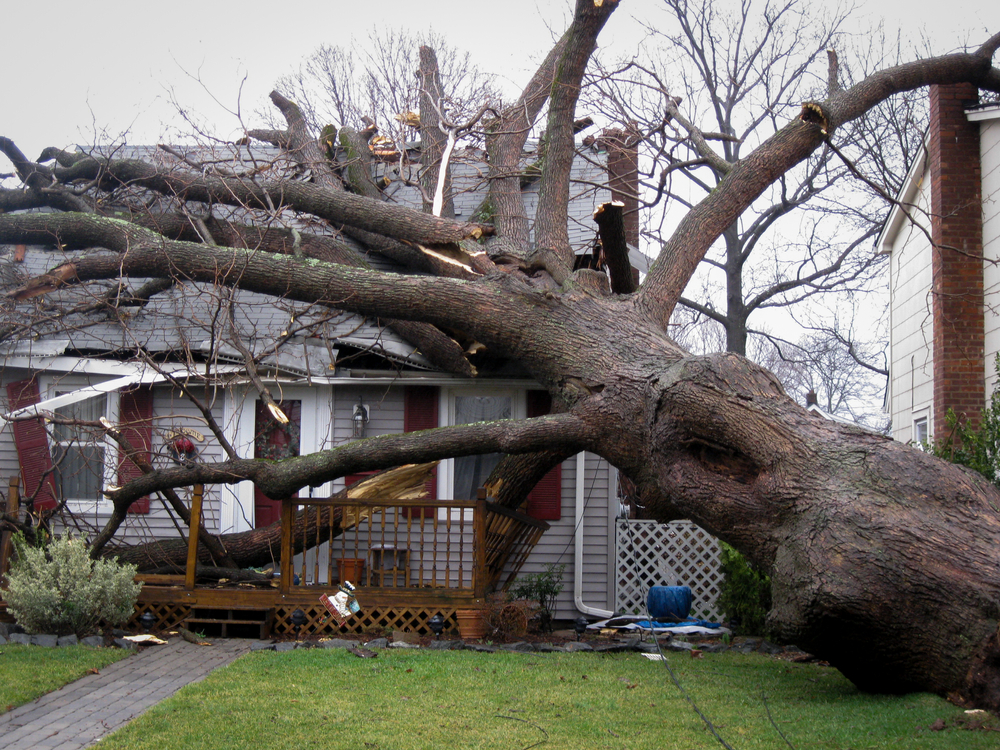
- A tree has fallen on a house
- A large branch has struck the roof
- A chimney has been hit
- A wall is leaning or cracked
- The roofline has changed
- A deck or balcony has shifted
- A retaining wall is bulging
- An uprooted tree has disturbed a foundation
- Removal may change how the tree is supported
- Structural damage may be hidden
- Temporary shoring may be needed
- The building appears unsafe to enter
The recommendation should be made promptly when there is a risk of collapse, falling material, or continued movement.
A Tree Has Fallen on a House
A full tree impact is one of the clearest reasons to recommend a structural engineer.
Even when the tree appears to be resting mainly on the roof surface, the impact may have damaged:
- Trusses
- Rafters
- Ridge beams
- Ceiling joists
- Roof sheathing
- Load-bearing walls
- Exterior walls
- Beams
- Columns
- Floor framing
- Chimneys
- Foundations
The visible roof damage may not show how far the force travelled through the structure.
A structural assessment is particularly important when:
- The tree penetrated the roof
- Several roof members appear damaged
- The roof is sagging
- The tree struck near a ridge, valley, or dormer
- Walls below the impact are cracked
- Doors or windows have shifted
- The tree remains supported by the building
- The house is making cracking or movement sounds
A Large Branch Has Struck the Roof
A large limb can create a significant impact even when the main tree remains standing.
The seriousness depends on:
- Branch size
- Fall height
- Impact location
- Roof construction
- Age of the building
- Existing structural condition
- Whether the limb penetrated the roofing
- Whether the framing visibly moved
A roofing contractor may be sufficient for minor shingle damage. A structural engineer should be recommended when there is evidence of framing damage or when the extent of the impact is unclear.
Warning signs include:
- A dip in the roof
- Cracked trusses or rafters
- Ceiling cracks
- Displaced framing
- Separation at roof connections
- Broken roof decking
- New wall cracks below the impact
The Tree Is Resting on the Building
A tree resting on a house, garage, shed, or other structure creates a complex load condition.
The tree may be supported by:
- The roof ridge
- Exterior walls
- Chimneys
- Roof valleys
- Porches
- Decks
- Nearby trees
- Utility lines
- Several branches in contact with the building
Removing one section may shift the weight onto another part of the structure.
A structural engineer may be needed before removal when:
- The building is visibly damaged
- The tree is creating significant downward or lateral pressure
- Sections of the building may collapse during cutting
- Temporary shoring may be required
- Workers need to enter the damaged area
- Rigging points may place additional load on the structure
The tree removal plan and structural stabilization plan may need to be coordinated.
The Roofline Is Sagging or Distorted
A changed roofline is a strong indicator that structural framing may have moved.
Possible signs include:
- A new dip in the ridge
- Uneven roof slopes
- A lowered section of roof
- Twisted fascia
- Misaligned gutters
- Buckled roofing
- A separated roof edge
- A visible change after impact
Roof deformation may result from:
- Broken trusses
- Split rafters
- Failed connections
- Crushed walls
- Damaged beams
- Shifted supports
A tree company should not assume that removing the weight will allow the roof to return safely to its original position.
Roof Trusses or Rafters Are Cracked
Visible framing damage should lead to a structural engineering recommendation.
Damage may include:
- Broken truss webs
- Split rafters
- Bent or twisted members
- Dislodged connector plates
- Separated joints
- Crushed bearing points
- Improvised repairs
- Members pushed out of alignment
Roof trusses are engineered systems. Cutting, patching, drilling, or reinforcing them without a designed repair may create additional problems.
A structural engineer can determine whether members should be repaired, reinforced, or replaced.
A Chimney Has Been Hit
Chimneys are vulnerable because they project above the roof and are often constructed from brittle masonry.
A tree or branch impact can cause:
- Cracked bricks
- Displaced mortar joints
- Leaning
- Separation from the house
- Damage below the roofline
- Loose masonry
- Roof framing damage
- Flue damage
A chimney may appear upright while remaining unstable.
A structural engineer, masonry specialist, or chimney professional may be needed depending on the type and extent of the damage.
The area below a damaged chimney should be treated carefully because loose masonry may fall during tree removal.
Exterior Walls Have Moved
A tree striking the side of a building can push an exterior wall inward or sideways.
Warning signs include:
- Bowing
- Leaning
- Bulging siding
- Cracked brick
- Broken studs
- Distorted window openings
- Gaps at corners
- Separation from the roof
- Movement at the foundation
Exterior walls may support floors and roofs while also resisting wind and lateral forces.
A tree removal company should recommend structural review when a wall has visibly changed shape or alignment.
Doors and Windows No Longer Operate Properly
Doors and windows that suddenly stick after a tree impact can indicate building movement.
This may happen when:
- Walls shift
- Openings become out of square
- Headers sag
- Floors move
- Foundations crack
- Roof loads are redistributed
One sticking door does not prove structural damage. Several new alignment problems after the same event should not be ignored.
Interior Cracks Appear After the Impact
New cracks inside the building may indicate that the impact affected concealed framing.
More concerning patterns include:
- Diagonal cracks above doors
- Cracks extending from windows
- Separation between walls and ceilings
- Cracks across several rooms
- Dropped ceiling finishes
- Cracks that appeared immediately after impact
- Gaps at trim or cabinets
A tree company may not have access to the full interior, but property owners should be advised to look for these signs.
A Ceiling Is Sagging or Separating
A sagging ceiling may result from:
- Damaged ceiling joists
- Broken roof framing
- Water saturation
- Failed fasteners
- Debris loading
- Movement of the wall above
- Partial collapse
Workers should not enter or work below a ceiling that appears unstable.
A structural engineer may be needed to assess the framing, while a restoration contractor may be needed to address water and finish damage.
A Deck, Balcony, or Porch Has Been Hit
Trees frequently fall onto exterior structures before reaching the main building.
A deck or porch may have suffered damage to:
- Posts
- Beams
- Joists
- Ledgers
- Footings
- Stairs
- Guards
- Connections to the house
- Roof supports
A damaged deck can remain standing while having little reserve capacity.
Structural review should be considered when:
- The deck is elevated
- Posts have shifted
- Beams are cracked
- The ledger has pulled from the house
- The structure is leaning
- The deck supports a roof
- Guards or stairs are unstable
- The tree must be removed from the deck surface
A Garage or Accessory Building Has Been Damaged
Garages, carports, sheds, workshops, and other structures may have lighter framing than the main house.
A tree impact may cause:
- Racked walls
- Roof collapse
- Damaged garage door headers
- Shifted posts
- Broken rafters
- Leaning walls
- Foundation movement
- Door openings that no longer align
A large garage door opening can make the front wall particularly vulnerable to lateral impact.
Engineering should be recommended when the building has changed shape or when workers must enter it during removal.
A Retaining Wall Has Moved
Trees located near retaining walls can contribute to structural problems through root pressure, soil movement, or uprooting.
Warning signs include:
- Leaning
- Bulging
- Rotation
- Cracking
- Separated sections
- Soil loss
- Exposed drainage
- Movement after a tree uproots
- A tree resting against the wall
Retaining wall failure can affect:
- Buildings
- Driveways
- Walkways
- Slopes
- Neighbouring property
- Utility lines
A structural engineer may need to work with a geotechnical engineer when soil stability is involved.
An Uprooted Tree Has Disturbed the Ground Near a Foundation
When a large tree uproots, the root plate can lift and displace a substantial volume of soil.
This may affect:
- Foundation walls
- Footings
- Slabs
- Drainage pipes
- Underground utilities
- Retaining walls
- Walkways
- Driveways
- Nearby slopes
A structural assessment should be considered when:
- The root plate is close to the building
- New foundation cracks appear
- A foundation wall is exposed
- Soil has pulled away from the house
- The building has settled or shifted
- Underground drainage may have been damaged
- The tree was entangled with structural elements
The tree may also leave a large void that requires proper backfilling or geotechnical review.
Roots Appear to Be Affecting the Foundation
Tree roots do not commonly push through sound concrete foundations in the way many people imagine. However, trees can affect buildings indirectly.
Possible mechanisms include:
- Soil drying and shrinkage
- Moisture changes
- Root growth beneath shallow structures
- Damage to drains or utilities
- Movement of patios and walkways
- Pressure against weak retaining walls
- Disturbance of already damaged masonry
A structural engineer may be appropriate when root-related concerns are accompanied by:
- Foundation cracks
- Settlement
- Uneven floors
- Wall movement
- Masonry displacement
- Structural separation
An arborist may also be needed to assess the tree and root system.
Tree Removal May Change Soil Moisture Conditions
Removing a large tree can change the amount of water drawn from the surrounding soil.
In certain soil types, especially moisture-sensitive soils, this may contribute to ground movement over time.
This does not mean every tree near a building should remain in place. It means removal near a structure may require additional consideration when:
- The site has expansive or shrinkable soil
- The building has a history of settlement
- The tree is unusually large
- The tree is very close to shallow foundations
- Several large trees are being removed
- Previous engineering reports identify soil concerns
A geotechnical engineer may be more appropriate for soil-related questions, sometimes in coordination with a structural engineer.
The Tree Is Supporting or Bracing a Damaged Structure
Occasionally, a fallen tree or branch may unintentionally support part of a damaged roof, wall, or accessory structure.
Removing it may release that support and cause further collapse.
Signs include:
- A roof section resting on the trunk
- A wall leaning against a tree
- A branch wedged between structural members
- A damaged porch supported by the tree
- A tree holding debris in place
- A tree preventing a chimney from falling
The removal should not proceed casually when the tree has become part of the temporary load path.
Tree Removal Equipment Will Load the Structure
Tree removal may require cranes, rigging, ropes, lifts, or temporary access platforms.
A structural engineer may be needed when the proposed work would place equipment or rigging loads on:
- Roofs
- Decks
- Parking structures
- Balconies
- Retaining walls
- Elevated slabs
- Bridges
- Damaged buildings
Structures should not be used as anchor points or equipment supports unless their capacity is known.
The tree removal company should use independent rigging or lifting systems wherever possible.
Workers Must Enter a Damaged Building
A structural recommendation should be made before workers enter a building that shows signs of instability.
Hazards may include:
- Partial roof collapse
- Falling ceiling materials
- Loose masonry
- Broken framing
- Damaged stairs
- Leaning walls
- Compromised floors
- Electrical damage
- Gas leaks
Tree workers may need interior access to assess branches, place rigging, or coordinate removal.
That access should not occur until the area is considered safe.
Temporary Shoring May Be Required
Temporary shoring supports the building while the tree is removed or permanent repairs are planned.
Shoring may be needed when:
- Trusses are broken
- A load-bearing wall has shifted
- A beam is damaged
- A porch roof has collapsed
- A chimney is unstable
- Removal will change the applied loads
- The building must remain partially occupied
Temporary supports must transfer loads into stable framing or foundations.
Improvised posts placed on weak floors may create a new failure point.
The Damage Extends Beyond the Visible Impact Area
Tree impact forces can travel through connected framing.
For example:
- A roof impact may crack walls below
- A wall impact may affect floor joists
- A chimney impact may damage roof framing
- A deck impact may pull on the house
- A porch impact may affect the foundation
- A falling trunk may damage several structural bays
A structural engineer should be considered when the visible damage does not fully explain the changes elsewhere in the building.
The Property Has Previous Structural Damage
Existing structural concerns can make a tree impact more serious.
Examples include:
- Foundation cracks
- Sagging roofs
- Rot
- Termite damage
- Undersized framing
- Previous fire damage
- Unpermitted renovations
- Bowed walls
- Temporary supports
- Deteriorated masonry
A structure with limited remaining capacity may be more vulnerable to impact or removal-related loads.
The tree company should avoid assuming that pre-existing damage is unrelated.
The Building Is Older or Unusually Constructed
Older buildings may contain structural systems that are difficult to assess visually.
These may include:
- Balloon framing
- Masonry bearing walls
- Hand-framed roofs
- Heavy timber
- Stone foundations
- Multiple additions
- Irregular framing
- Previous undocumented alterations
A minor-looking impact may behave differently in an older or heavily modified building.
Structural review is appropriate when the load path or construction method is uncertain.
Commercial or Public Structures Are Involved
Tree damage to commercial, institutional, or public structures often requires a more formal assessment.
Examples include:
- Schools
- Offices
- Retail buildings
- Apartments
- Warehouses
- Community facilities
- Parking structures
- Canopies
- Pedestrian structures
- Public decks
These properties may have:
- Higher occupancy
- More complex framing
- Larger spans
- Greater liability
- Specific permit requirements
- Formal emergency procedures
A tree removal company should recommend engineering when the damage may affect public access or continued occupancy.
When Is a Structural Engineer Probably Not Needed?
A structural engineer may not be necessary for every tree-related issue.
Examples that may be handled without engineering include:
- Small branches on the lawn
- Minor damage to non-structural fencing
- Limited shingle damage with no roof deformation
- Branches resting lightly on gutters
- Cosmetic siding damage
- Tree removal far from buildings
- Stump removal with no nearby structures
- Routine pruning
- Removal of a standing tree with adequate clearance and no structural concerns
However, uncertainty should be treated carefully. A recommendation for further review is appropriate when the tree company cannot confidently determine whether structural components have been affected.
Structural Engineer, Arborist, or Both?
The appropriate professional depends on the question.
A Structural Engineer Evaluates
- Roof framing
- Walls
- Beams
- Columns
- Foundations
- Decks
- Retaining walls
- Structural stability
- Temporary shoring
- Repair requirements
An Arborist Evaluates
- Tree health
- Tree stability
- Root condition
- Disease
- Decay
- Failure risk
- Pruning requirements
- Whether a standing tree can be retained
- Effects of root removal
Both may be needed when a damaged tree remains near a building or when root and structural concerns overlap.
What Should the Tree Company Tell the Property Owner?
The tree removal company should communicate its concerns clearly without making unsupported conclusions.
A useful recommendation may explain:
- What was observed
- Why the condition may be structural
- Whether the area appears unsafe
- Whether work should pause
- Whether the tree is affecting the building
- Whether removal may change the loading
- Which professional should be contacted
- Whether emergency services may be needed
For example:
The tree appears to have displaced part of the roof framing, and removal may change the load on the damaged area. A structural assessment is recommended before the tree is fully removed.
The recommendation should avoid claiming that a structure is safe or unsafe unless the company is qualified to make that determination.
What Should Be Documented?
Tree removal companies should document conditions before beginning work.
Useful records include:
- Overall photos of the tree and building
- Close-ups of the impact area
- Roofline changes
- Wall cracks
- Damaged chimneys
- Tree support points
- Uprooted root plates
- Retaining wall movement
- Existing structural damage
- Equipment placement
- Removal sequence
- Conditions after removal
Documentation may be useful for:
- Insurance claims
- Contractor coordination
- Structural assessments
- Disputes
- Permit applications
- Safety records
Photographs should be taken from safe locations.
Should Tree Removal Stop Until the Engineer Arrives?
Not always.
Some situations require immediate action to reduce danger, prevent further impact, or clear emergency access.
Work should pause or be limited when:
- The structure may collapse
- Removing the tree may worsen the damage
- Workers would need to enter an unsafe area
- The tree is supporting part of the building
- Rigging loads cannot be controlled safely
- Temporary shoring may be required
- The removal sequence depends on structural stability
Emergency stabilization or limited cutting may proceed when necessary and when it can be completed safely.
The decision should be based on immediate risk rather than convenience.
How Can Tree Removal and Structural Work Be Coordinated?
Complex projects may involve:
- Tree removal contractors
- Arborists
- Structural engineers
- Restoration contractors
- Roofers
- Crane operators
- Utility providers
- Emergency services
- Insurance adjusters
- Building officials
A coordinated process may include:
- Establishing a safe perimeter
- Evaluating the tree and building from the exterior
- Identifying unstable structural areas
- Installing temporary support where needed
- Developing the removal sequence
- Removing the tree in controlled sections
- Reassessing the exposed damage
- Completing temporary weatherproofing
- Preparing permanent repair plans
- Inspecting the repairs before concealment
The sequence may change as hidden damage is uncovered.
What Happens During the Structural Assessment?
A structural engineer may review:
- The direction of the fall
- Tree size
- Impact location
- Roof and wall alignment
- Visible framing
- Interior cracking
- Decks and porches
- Chimneys
- Foundations
- Retaining walls
- Previous repairs
- Photographs from before removal
The engineer may recommend:
- Temporary shoring
- Selective demolition
- Tree removal limitations
- Further opening of finishes
- Framing repairs
- Component replacement
- Masonry repairs
- Foundation work
- Follow-up inspections
- Permit drawings
The initial inspection may be limited if the tree still prevents access.
What Structural Repairs May Follow?
Possible repairs include:
- Truss reinforcement
- Rafter replacement
- Roof deck replacement
- Beam repair
- Column replacement
- Wall reconstruction
- New structural connections
- Chimney rebuilding
- Deck repair
- Foundation stabilization
- Retaining wall reconstruction
- Temporary or permanent bracing
The repair method depends on the building type and the extent of damage.
Can Tree Removal Cause Additional Structural Damage?
Yes, especially when the removal sequence is not carefully planned.
Potential problems include:
- Shifting the tree onto a weaker roof area
- Pulling on damaged framing
- Dropping sections onto the structure
- Removing support from a wall or roof
- Overloading a deck with equipment
- Damaging foundations with heavy machinery
- Cutting roots that stabilize a retaining wall
- Disturbing soil near a footing
- Using the structure as an unsuitable rigging point
A controlled removal plan can reduce these risks.
Insurance Considerations
A property owner may need to notify the insurer after significant tree damage.
The insurer may request:
- Photos
- Tree removal invoices
- Emergency reports
- Structural assessments
- Roofing estimates
- Repair plans
- Temporary protection records
- Proof of cause
- Documentation of additional damage
The tree company should provide factual records of the work performed and observed conditions.
It should not make promises about insurance coverage.
Legal and Liability Considerations
Tree damage may involve questions about:
- Property ownership
- Neighbouring trees
- Storm damage
- Previous warnings
- Negligence
- Access rights
- Emergency entry
- Insurance responsibility
- Damage caused during removal
The tree removal contractor should document the site and obtain appropriate authorization before working.
A structural engineer’s role is limited to the building or structure and does not determine legal responsibility for the tree failure.
Questions Tree Removal Companies Should Ask
Before beginning work near a damaged building, the contractor should ask:
- Did the tree strike the building?
- Has anyone entered the affected area?
- Are there visible roof or wall changes?
- Are utilities damaged?
- Is the tree resting on the structure?
- Has the building been assessed?
- Is temporary shoring in place?
- Are there existing structural problems?
- Is the chimney stable?
- Is the deck safe to load?
- Are there underground utilities near the root plate?
- Is the tree near a retaining wall?
- Will removal alter the tree’s support?
- Is a crane or lift required?
- Are emergency services involved?
These questions help identify when additional professionals are needed.
Frequently Asked Questions
Should a tree company recommend an engineer after every tree impact?
Not necessarily. Minor cosmetic damage may not require structural review. A recommendation is appropriate when structural components may have been affected or the extent of damage is uncertain.
Can a tree removal contractor tell whether a roof is structurally safe?
A tree contractor may identify obvious damage but is generally not responsible for structural analysis. A structural engineer is better suited to determine stability and repair requirements.
Is a roofer enough after a tree hits the roof?
A roofer may be sufficient for limited surface damage. Structural review should be considered when trusses, rafters, walls, ceilings, or the roofline have been affected.
Should the tree be removed before an engineer inspects the building?
It depends on how the tree is resting on the structure. In some cases, partial removal is necessary for access. In others, stabilization is needed before the tree is moved.
What if only a chimney was hit?
A chimney impact can still create a serious hazard. Masonry, roof framing, flashing, and flue components may all require review.
Can roots damage a foundation?
Roots can contribute to soil moisture changes, drainage damage, movement of shallow structures, or pressure against weak walls. Structural concerns should be assessed when cracking or settlement is present.
Is an engineer needed for a damaged fence?
Usually not for a simple residential fence. Engineering may be appropriate for large retaining structures, sound barriers, engineered gates, or walls supporting soil.
Who evaluates a leaning tree near a house?
An arborist evaluates the tree’s condition and failure risk. A structural engineer evaluates any damage to the building or nearby structures.
Can a structural engineer help plan tree removal?
The engineer may advise on building stability, temporary shoring, safe access, and how removal could affect the structure. The tree contractor remains responsible for the tree removal method.
Should structural damage be repaired before tree removal?
Usually the immediate priorities are stabilization and controlled removal. Permanent repairs typically follow once the tree is removed and the full damage is visible.
Final Thoughts
A tree removal company should recommend a structural engineer whenever a tree, branch, root system, or removal process may have affected the strength or stability of a building or other structure.
The clearest warning signs include damaged roof framing, altered rooflines, leaning walls, cracked masonry, unstable chimneys, shifted decks, moved retaining walls, and uprooted trees close to foundations.
Tree removal professionals do not need to diagnose the full structural problem. Their responsibility is to recognize when the situation extends beyond routine tree work, protect workers and occupants, and recommend the appropriate specialist before removal or repairs create additional risk.
Early coordination between the tree contractor, structural engineer, arborist, restoration contractor, and property owner can help prevent further damage and support a safer, more efficient repair process.
This article provides general information and is not a substitute for project-specific structural, arboricultural, emergency, insurance, legal, or construction advice.